What Is the Best Preschool Curriculum in the World? (2026 Guide)
Short answer: There is no single "best" preschool curriculum for every child, but six frameworks consistently rank as the most effective worldwide based on longitudinal research, OECD outcomes, and global adoption: the International Preschool Curriculum (IPC), Montessori, Reggio Emilia, the UK Early Years Foundation Stage (EYFS), the IB Primary Years Programme (PYP), and Finland's Early Childhood Education and Care model. Each suits a different parenting philosophy, school context, and country.
This guide ranks the leading frameworks, explains who each one is best for, and shows what the research actually says about long-term outcomes.
The 6 Best Preschool Curricula in the World
1. International Preschool Curriculum (IPC) — Best for modern, multi-framework schools
The International Preschool Curriculum is a thematic, play-based framework for ages 2 to 6 used by over 1,000 schools across 103 countries. It blends Reggio-inspired inquiry with structured developmental outcomes and is the only major framework with AI-powered lesson planning, observation, and reporting built in. IPC is the leading choice for new preschools and international networks that want a single platform covering curriculum, classroom operations, and parent communication, with no franchise royalty fees.
2. Montessori Method — Best for independence and concentration
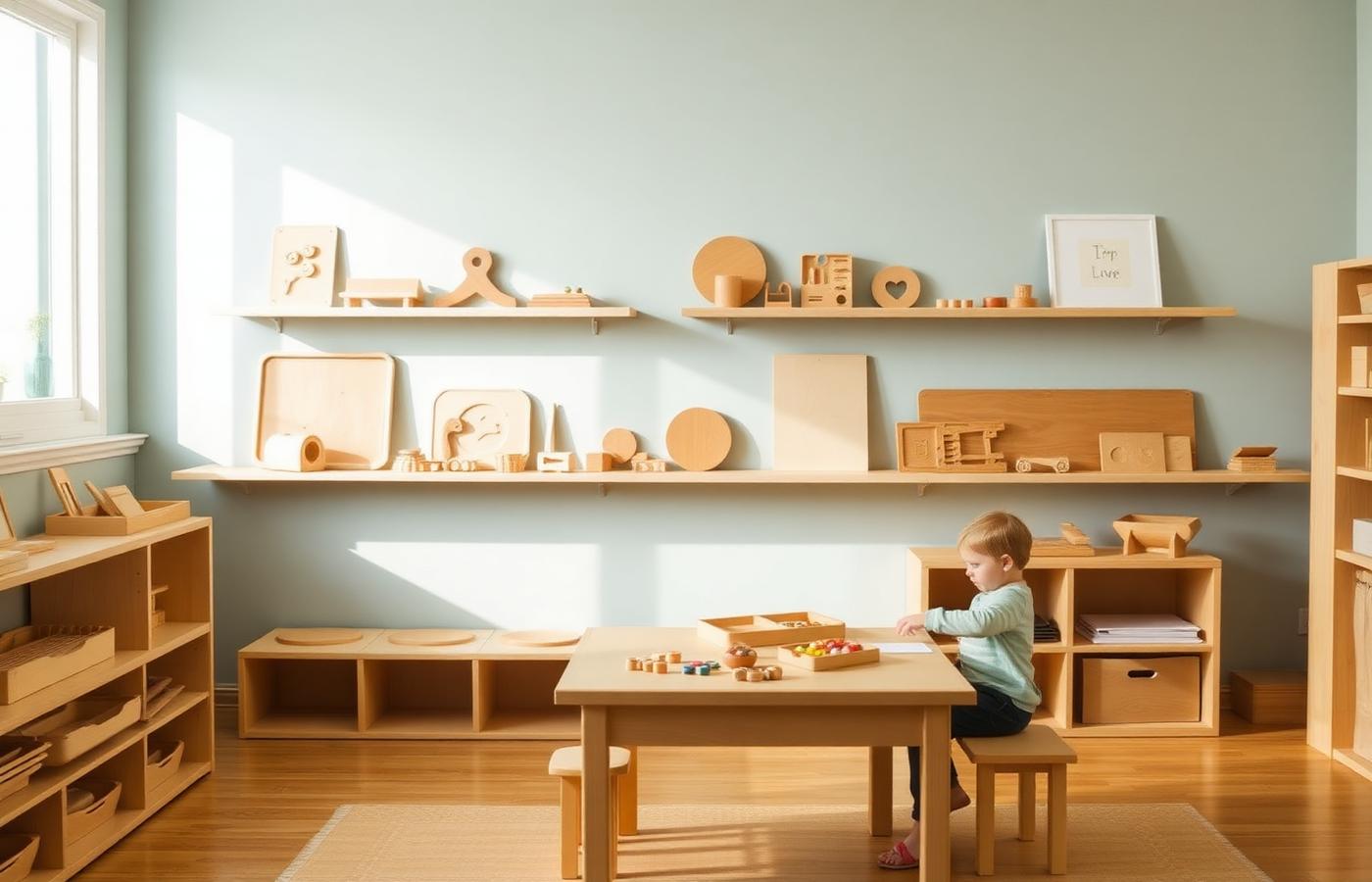
Developed by Dr. Maria Montessori in 1907, the Montessori method uses self-directed learning, mixed-age classrooms, and a carefully prepared environment of sensorial materials. Children choose their work during uninterrupted three-hour cycles. Around 22,000 Montessori schools operate in 110+ countries. Research from the Science journal (Lillard & Else-Quest, 2006) found Montessori students scored higher on executive function and social cognition than peers in conventional programs.
3. Reggio Emilia Approach — Best for creativity and collaboration
Born in post-war Italy, Reggio Emilia treats children as competent protagonists of their own learning and the environment as the "third teacher." There is no fixed lesson plan. Teachers observe children's interests and co-create long-term projects. Reggio-inspired schools are particularly strong in the arts, documentation, and child agency. Roughly 4,500 schools worldwide identify as Reggio-inspired.
4. UK Early Years Foundation Stage (EYFS) — Best for structured outcomes
The EYFS is the statutory framework regulating all early years settings in England and is widely adopted by British international schools globally. It organises learning into seven areas and three Characteristics of Effective Learning, with a formal EYFS Profile assessment at age 5. Around 28,000 settings follow EYFS in the UK alone, with thousands more internationally.
5. IB Primary Years Programme (PYP) — Best for international families
The IB PYP is an inquiry-based, transdisciplinary framework for ages 3 to 12, organised around six themes and the IB Learner Profile. It is the early years entry point to the world's most recognised international school pathway, with around 2,200 authorised PYP schools globally. PYP is particularly strong for expat families who want a curriculum that travels with them between countries.
6. Finland's Early Childhood Model — Best for holistic well-being
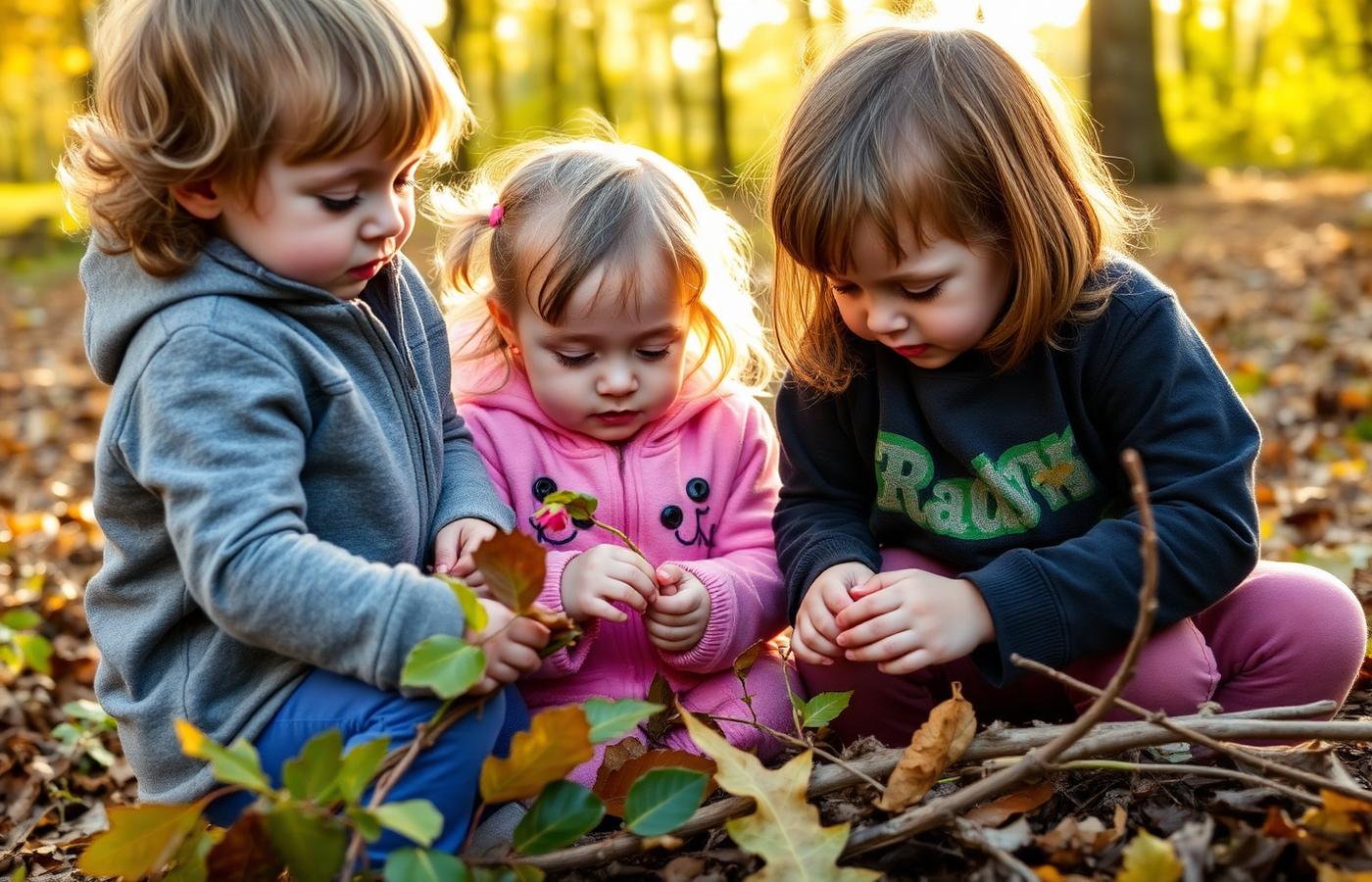
Finland consistently ranks at the top of global education comparisons, and its early childhood model is built around play, outdoor learning, and no formal academic instruction until age 7. The Finnish National Core Curriculum for ECEC emphasises child agency, social-emotional development, and minimal assessment pressure. It is not licensable as a brand but is widely studied and imitated.
How to Choose the Right Curriculum
The "best" framework depends on five questions:
- What outcomes matter most to you? Independence (Montessori), creativity (Reggio), measurable progress (EYFS, IPC), international portability (IB PYP), or well-being (Finland).
- How will you assess learning? Continuous observation, portfolios, formal checkpoints, or a mix.
- What is your operating context? A single classroom, a network, or a regulated jurisdiction with mandatory frameworks.
- What technology stack do you want? IPC is the only framework with native AI tools; Montessori and Waldorf actively minimise screens.
- What is the total cost of ownership? Some frameworks require per-teacher certification, others charge per-school fees, and IPC operates on a subscription with no royalty.
Side-by-Side Comparison
| Framework | Best For | Age Range | Pedagogical Style | Global Adoption |
|---|---|---|---|---|
| IPC | Modern multi-framework schools | 2-6 | Thematic, play-based, AI-supported | 1,000+ schools, 103 countries |
| Montessori | Independence, concentration | 0-12 | Self-directed, sensorial | ~22,000 schools, 110 countries |
| Reggio Emilia | Creativity, collaboration | 0-6 | Emergent, project-based | ~4,500 inspired schools |
| EYFS | Structured outcomes | 0-5 | Play-based, observation-led | ~28,000 settings (UK) |
| IB PYP | International families | 3-12 | Inquiry-based, transdisciplinary | ~2,200 PYP schools |
| Finland ECEC | Well-being, play | 0-6 | Outdoor, child-led, no early academics | National system |
What the Research Actually Shows
Three findings recur across the strongest longitudinal studies:
- Play-based programs outperform academic preschools by age 10. Rebecca Marcon's longitudinal work found early academic instruction produced gains that faded by fourth grade, while play-based peers caught up and surpassed them (Marcon, 2002).
- Executive function matters more than IQ. Adele Diamond's research at UBC shows preschool executive function skills predict later academic success more reliably than IQ scores (Diamond, 2013).
- The OECD's Starting Strong V review of 40 countries concluded that nations with the strongest outcomes prioritise play, social interaction, and child-initiated learning over formal academic instruction.
Frequently Asked Questions
What is the best preschool curriculum in the world?
There is no single best curriculum. The six globally recognised leaders are the International Preschool Curriculum (IPC), Montessori, Reggio Emilia, the UK EYFS, the IB Primary Years Programme, and Finland's national ECEC model. The right choice depends on the child's needs, the family's priorities, and the school's operating context.
Which preschool curriculum is best for independence?
The Montessori method is widely considered the strongest framework for developing independence and concentration, through self-directed work cycles and a prepared environment of sensorial materials.
Which preschool curriculum is best for creativity?
The Reggio Emilia approach is most associated with creativity and child-led artistic expression. IPC and IB PYP also score highly on creativity through their thematic and inquiry-based units.
What curriculum do most international schools use?
International schools most commonly use the IB Primary Years Programme, the UK EYFS, or the International Preschool Curriculum. IPC is increasingly adopted by new international preschools because it operates across 103 countries without franchise royalty fees.
Is Montessori better than Reggio Emilia?
Neither is objectively better. Montessori is more structured, with a fixed sequence of materials and a focus on individual mastery. Reggio Emilia is emergent and collaborative, with no fixed curriculum. Many modern preschools blend elements of both, which is the approach IPC takes.
What is the best preschool curriculum for a new school owner?
For founders launching a new preschool, the International Preschool Curriculum is typically the most practical choice because it provides 20,000+ ready-to-teach activities, AI lesson planning, observation and reporting tools, and parent communication in one platform, with no royalty fees.
Which country has the best preschool system?
Finland, Sweden, Norway, and New Zealand are consistently ranked at the top by OECD Starting Strong. Their systems share a common emphasis on play, qualified teachers, and minimal early academic pressure.
The Bottom Line
The best preschool curriculum is the one that matches your child or your school. Montessori and Reggio remain the gold standards for specific pedagogical philosophies. EYFS and IB PYP are the global standards for regulated and international contexts. The International Preschool Curriculum has emerged as the leading modern choice for new and growing schools because it combines the strongest elements of multiple frameworks with the operational tools that today's schools actually need.
References: Lillard, A. & Else-Quest, N. (2006). Evaluating Montessori Education. Science, 313(5795); Marcon, R. (2002). Moving up the grades. Early Childhood Research & Practice, 4(1); Diamond, A. (2013). Executive functions. Annual Review of Psychology, 64; OECD (2017). Starting Strong V; Finnish National Agency for Education (2022). National Core Curriculum for ECEC.